


How Much Are Rents Going Up? See How Prices Have Changed In Your Area.
 Rental prices nationwide have cooled off, with smaller year-over-year increases, as new housing construction finally hits the market.
However, costs remain high in many areas, straining renters’ budgets, especially in the Sun Belt and Northeast regions. The Biden administration has proposed capping rent increases, but the broader market slowdown’s longevity is uncertain. Read Full Article
The Share Of Young Adults Living At Home Continues To Rise
 More young adults are finding themselves nestled back in the family home, with a whopping 17% of 25-35-year-olds now living with their parents – a drastic increase from just 7% in 1970. This phenomenon is driven by the skyrocketing costs of housing, forcing many to roost at home well into their thirties, despite stories of children eager to flee the nest.
The trend is widespread across the country and impacts both college-educated and non-college individuals. As the financial challenges of adulthood mount, the traditional path of independence is becoming increasingly elusive for this generation. Read Full Article.
The Cities Where 20-Somethings Are Still Getting Hired
 Southern cities like Raleigh, Austin, and Atlanta are emerging as top destinations for 20-somethings seeking entry-level jobs with good salaries and affordable living, offering a combination of brisk hiring, cost-of-living-adjusted wages, and a concentration of industries like technology, healthcare, and finance.
In contrast, cities like Salt Lake City, Seattle, and Portland are lagging behind due to slower hiring rates and lower wages when factoring in the cost of living, as employers scale back white-collar hiring and invest more in artificial intelligence.
Young professionals are drawn to the energy, social offerings, and more affordable cost of living in these Southern cities, with hubs like Charlotte and Austin becoming magnets for recent graduates looking to thrive rather than just survive. Read Full Article.
Lenders Turn Up The Foreclosure Heat On CRE
 Despite warnings of a looming commercial real estate (CRE) crisis, smaller banks have largely avoided major issues. They tend to focus on suburban office and local business properties that have held up better than the troubled big-city office market. While some banks are reducing CRE exposure, they are not lending as much, creating an opportunity for private credit providers to step in with more expensive financing. Read Full Article.
Lenders Turn Up The Foreclosure Heat On CRE
 Lenders are tightening their grip on the commercial real estate (CRE) market as borrowers struggle to meet their obligations, leading to a surge in foreclosure activity. Analysts have been closely monitoring the status of CRE loans, including CMBS, bank loans, and properties in special servicing, revealing a concerning trend of delinquencies.
Banks have been accused of “extend and pretend” practices, with estimates suggesting that 40% of CRE loans maturing this year are actually from 2023, and banks are reserving five times more than normal for their CRE portfolios.
The real impact is being felt on the ground, as lenders are increasingly taking back properties, either due to borrowers walking away or through the foreclosure process. This escalating foreclosure activity in the CRE market is a clear sign of the financial strain faced by both borrowers and lenders, with potential ripple effects across the broader economy. Read Full Article.

 She says her decision to close was fueled by uncertainty — about the neighborhood, about the economy and about consumer behavior. Her uncertainty is a symptom of a larger plague spreading across Silver Spring, where a once-vibrant downtown commercial district is now lined with vacant storefronts and half-empty office buildings.
  Jamauri Bogan, a 28-year-old developer in Kalamazoo, Michigan, has a pretty simple strategy for finding out what young apartment tenants want. He calls his friends.
 A developer has broken ground on a new affordable-housing development on East Patrick Street. The development, called Overlook East, will include 85 units across three buildings and have capacity for more than 300 people. Scheduled to open in late 2025, it is meant to serve people and families making up to 60% of the area median income.
  Middle-aged Americans, part of Generation X, say they will need to rely on family for housing help in retirement (but they haven’t told them yet!). Young adult children have spent years relying on funding from the Bank of Mom and Dad, and now their parents say they may soon need to mooch off of them. Read the full article
  Although affordable housing has gained a previously unheard-of amount of visibility at the federal level over the last few years, the realities of Washington, D.C., are tossing cold water on activists’ hopes for quicker change.
 Baltimore is undergoing a significant transformation with billions in investments aimed at revitalizing the city. Key projects include a $500 million redevelopment of the Inner Harbor, major stadium renovations, and the $5.5 billion Baltimore Peninsula project. These developments are expected to attract investors, residents, and tourists, but also bring challenges such as housing affordability and congestion. City leaders emphasize the need for new housing and improved public transit to sustain growth and maintain Baltimore’s unique identity
  U.S. housing starts have plummeted to a four-year low, signaling potential trouble ahead for the real estate market. The sharp decline in new construction is attributed to rising interest rates, economic uncertainty, and higher material costs. This downturn could impact home affordability and availability, making it a critical moment for prospective buyers and investors to stay informed.
  Carroll County officials are seeking resident input to improve affordable and safe housing in the area. They are conducting a survey to gather community feedback on housing needs and challenges, aiming to develop better policies. Residents are encouraged to share their experiences and suggestions to help shape future housing strategies.
 Bank of America warns that the U.S. housing market faces prolonged challenges, predicting high prices, limited inventory, and persistently high mortgage rates until at least 2026. Despite slight recent declines in mortgage rates, economists see no immediate solutions, emphasizing that these issues will take years to resolve. Prospective homebuyers should brace for continued market difficulties and limited affordability. Read more about the implications for the housing market and potential strategies for buyers in the full article
  The 2024 State of the Nation’s Housing report reveals persistent and widespread cost burdens, with 50% of renters spending over 30% of their income on housing. The U.S. faces a significant housing shortage, with rising costs and limited inventory hindering both rentals and homeownership. Federal rental assistance is lagging, covering only 25% of eligible households. Additionally, the nation’s housing stock is increasingly vulnerable to climate risks. Addressing these issues requires substantial public and private sector investment and innovative solutions. Read the full article
 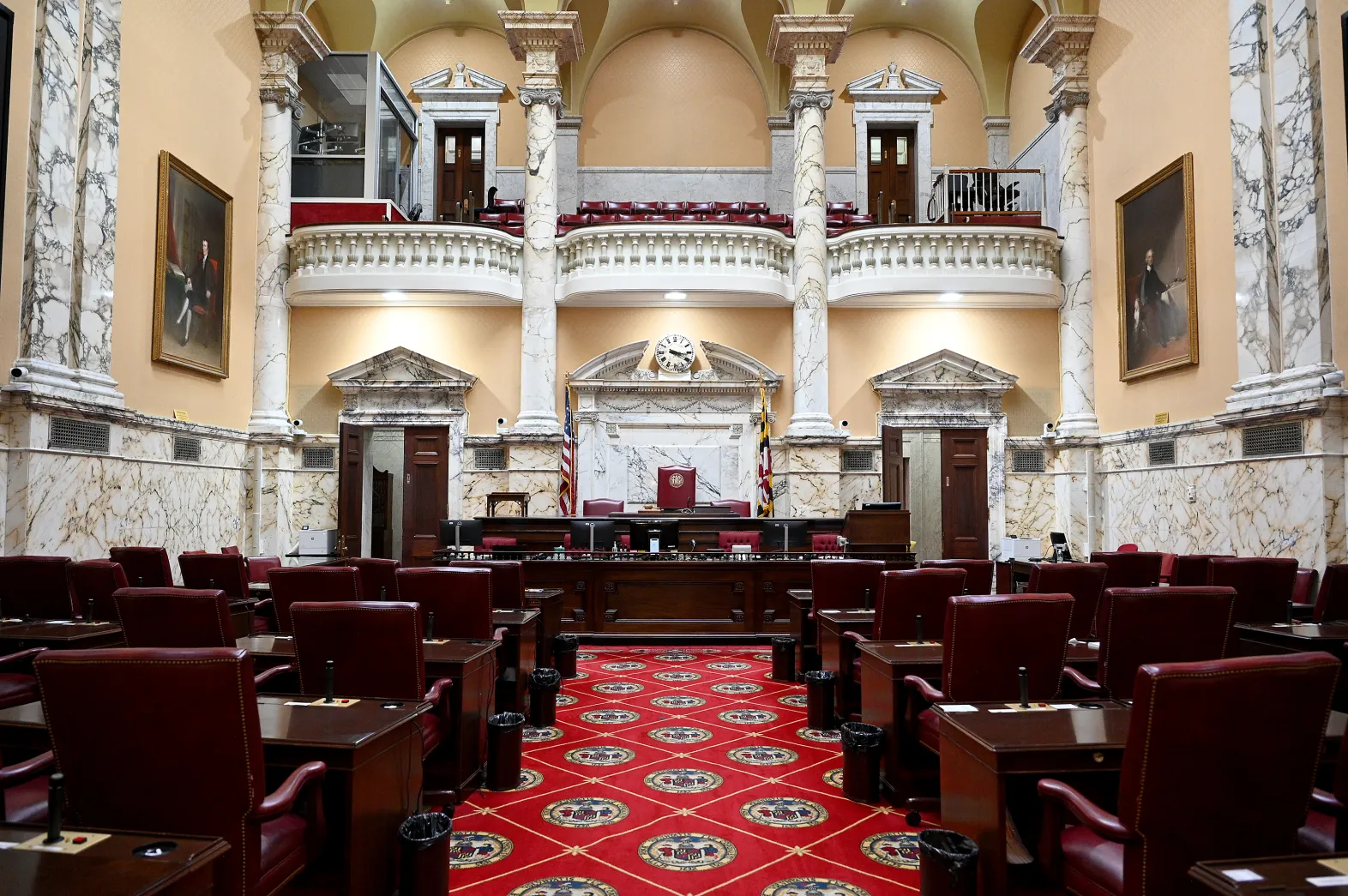 Marylander can get a good job, earn good pay and pass something on to their children — besides debt.